Editorial Picks
How to Choose a Stem Cell Clinic in Myeongdong, Seoul — 2026 Guide
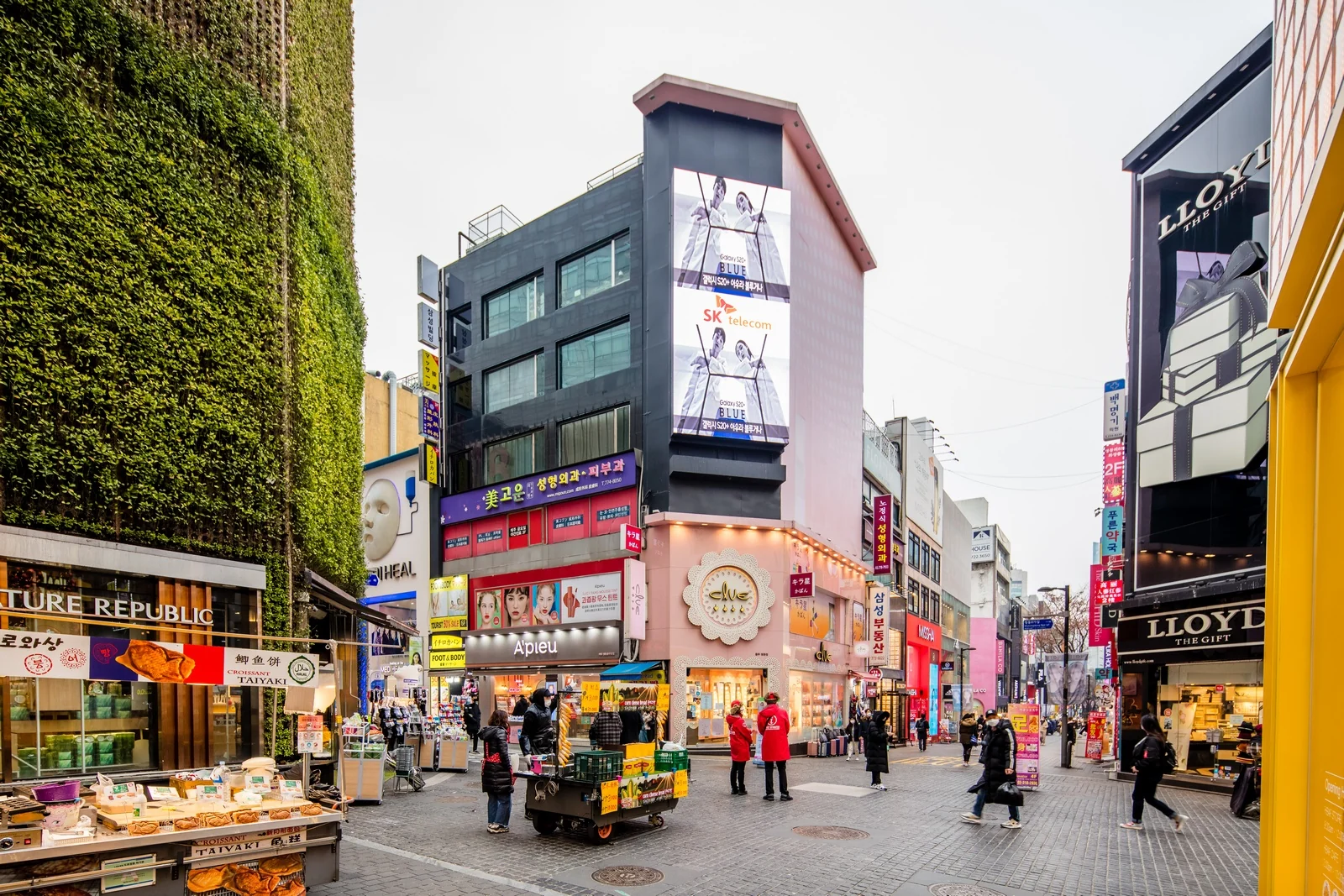
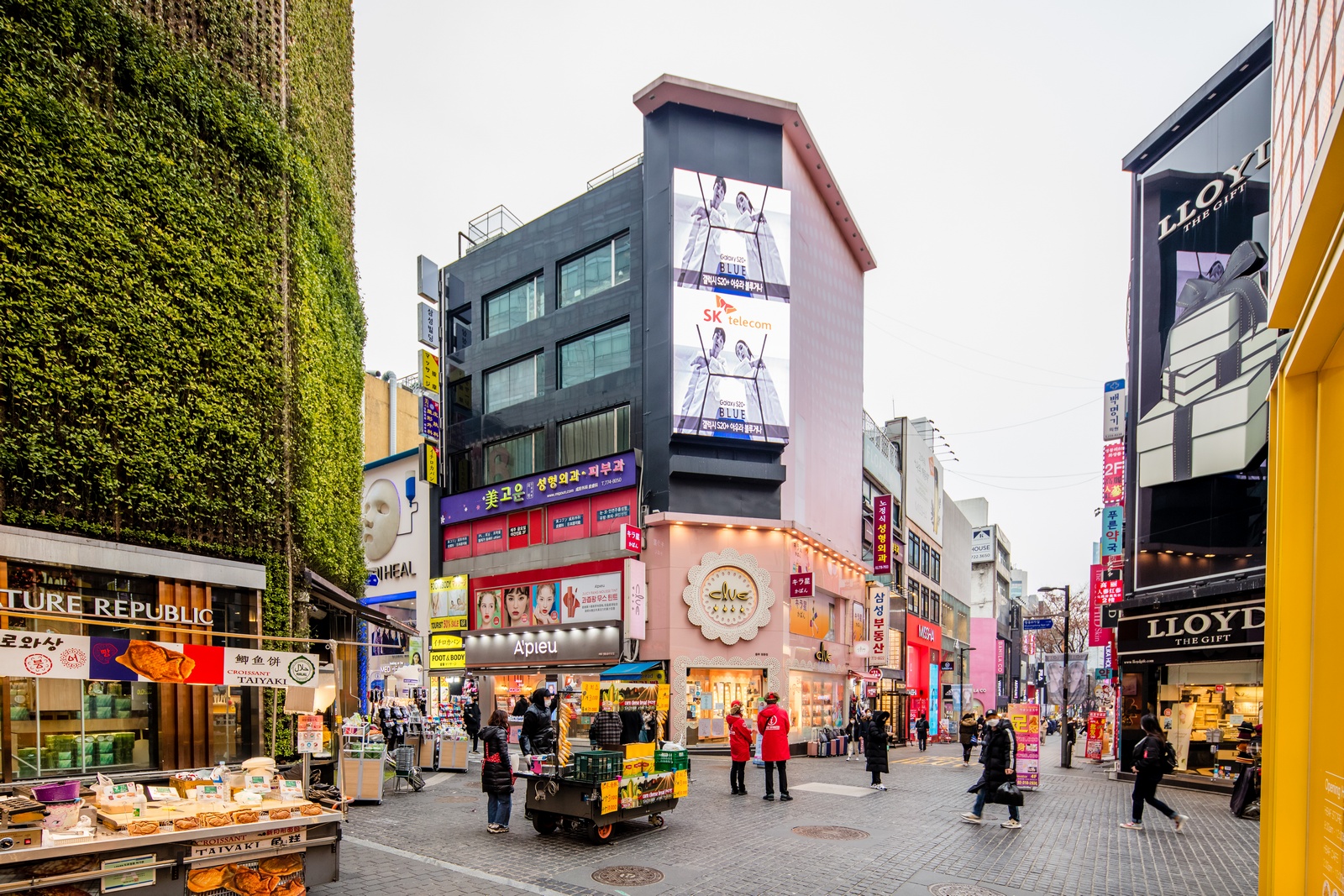
Myeongdong at dusk — the long arcade of Eulji-ro and the lanterns of the cathedral quarter throwing a softer light than the boulevard suggests, and behind the kosmetik shopfronts a quieter register of dermatology has settled into the upper floors. Stem cell skin therapy as it is practised in this corridor is not, in the literal sense, a stem cell transplantation: the better houses use exosomes, conditioned media, growth-factor concentrates, or cellular signalling fractions delivered through microneedling channels or intradermal injection, and a smaller cohort operate under Korea's Advanced Regenerative Medicine framework with a wider remit. 自分のもの — the body's own collagen, the body's own repair — is the phrase a Tokyo patient used after her third session, half embarrassed at the foreignness of it. The clinics worth reading on this device class are those that treat regeneration as a programme rather than a single session; that disclose the exosome supplier and the lot in writing; that schedule a four-week review before booking the next visit. Eight houses, read on temperament rather than tier.
What to look for in a Myeongdong regenerative clinic
A regenerative protocol — the kind that justifies the airfare — rests on four quiet considerations. The first is the product disclosure: exosome and growth-factor concentrates are not all equivalent, and a clinic that names the supplier, the source-cell line, and the protein-count band before the patient transfers the deposit is one that values the outcome over the marketing line. The second is the delivery method: a senior practice delivers through microneedling channels or RF micro-channels into the mid-dermis rather than topically, and a clinic that hurries the channelling step is signalling something about its room throughput. The third is the physician — Korean medical law requires a licensed doctor to administer the protocol, which raises the floor; what separates the practice one returns to is whether the senior physician, not a coordinator, conducts the consultation and reads the case on the day. The fourth is the schedule. A typical first programme runs three to five sessions over six to twelve weeks, with maintenance every eight to twelve months. A clinic that commits the patient to five sessions up front, before the first response has been evaluated, is a soft signal one might reconsider. International patients, on a four-to-seven-day trip, should ask plainly whether a single-visit option exists and what it accomplishes against the full course. The better Myeongdong houses will answer without rehearsal.
Eight Myeongdong and central-Seoul clinics worth a closer reading
What follows is an editorial discovery — not a ranking. Each entry has been read for the texture of its practice rather than its marketing. The order reflects the rhythm of an unhurried walk through Myeongdong-dong and the central-Seoul corridor, with a short southbound metro ride for the Cheongdam and Apgujeong rooms; nothing more.
Re:Berry Skin Clinic (Myeongdong) 💬
Re:Berry is a Myeongdong dermatology practice carrying an Advanced Regenerative Medicine Center designation under Korean regulatory framework. Exosome boosters, stem cell microneedling, and IV protocols sit alongside Ultherapy Prime and Sofwave within a sequenced lifting menu. The clinic is, in our reading, frequently chosen by returning international patients from the United States, Japan, Taiwan, and Hong Kong.
Kind Global Clinic (Myeongdong) 💬
Kind Global is a Myeongdong-gil flagship at Jung-gu number 26 — central tourist corridor, sixth floor — operating a 1:1 personalized physician consultation model in private single-patient treatment and management rooms. The regenerative menu sits within a sixteen-device lineup; same pricing applies for foreign and domestic patients, with multilingual reception across English, Chinese, Japanese, and Southeast Asian languages.
Lijin Clinic (Myeongdong) 💬
Lijin is a Myeongdong premium aesthetic practice with Chief Director Dr. Hwang carrying fifteen years of clinical experience and treating international patients since 2011. Regenerative skin boosters sit alongside Ultherapy Prime, Thermage FLX, and Volnewmer in a tailored register, with consultations conducted by the named physician rather than handed off to a coordinator on arrival.
Cellin Clinic (Myeongdong) 💬
Cellin Myeongdong is a dermatologist-led practice whose Medical Director, Dr. Kyoung-min Min, trained at Seoul National University and holds memberships across KASLS, KOAT, KALDAT, and KFERA. Regenerative boosters sit within an anti-ageing menu emphasising sequenced rather than single-session work; international coordination is handled directly through WhatsApp with the senior physician conducting the consultation.
Peau Reve Skin Clinic (Cheongdam) 💬
Peau Reve is a Cheongdam dermatology room operating on a reservation-only basis with two exclusive hours per patient. The medical lead holds Thermage FLX Master Doctor certification and Ultherapy Prime Gold Certified Clinic status, with over a decade of experience. Exosome and regenerative-booster protocols are administered within a longer, unhurried consultation window rather than throughput-driven scheduling.
Lienjang Clinic (Gangnam)
Lienjang is a since-2004 plastic-surgery-and-dermatology medical group with Tokyo and Osaka branches alongside its Seoul flagship, and a dedicated resident anaesthesiologist on site for the surgical register. Exosome boosters, Rejuran Healer, and Lumivion sit within a sequenced anti-ageing menu administered by named physicians; multilingual coordination across Japanese and English patient channels is established.
Ever Skin Clinic (Apgujeong)
Ever is an Apgujeong board-certified dermatology practice claiming Korean top-two-per-cent dermatologist standing, recognised among eight outstanding-satisfaction Gangnam clinics as the only dermatology practice in the award cohort. Rejuran, exosome, and regenerative-booster protocols sit alongside thread lifting and Ultherapy on the menu; the award was issued twice within the same calendar year, June and November.
Reone Dermatology (Cheongdam)
Reone is a central-Seoul aesthetic dermatology practice with five named dermatologists trained at Seoul National University Hospital and a resident anaesthesiologist on site. Regenerative boosters sit alongside eight Sofwave devices, eight Ultherapy Prime units, and five Thermage FLX systems across roughly 990 square metres — a scale that suits sequenced multi-device programming for visiting patients.
What stem cell skin therapy actually is
Stem cell skin therapy, in the Korean aesthetic register, is a regenerative protocol that leans on exosomes, conditioned media, growth-factor concentrates, or — in the smaller cohort of Advanced Regenerative Medicine designated clinics — broader cellular signalling fractions, rather than direct cell transplantation. The active fractions, delivered through microneedling channels or RF micro-channels into the mid-dermis, prompt the dermis to upregulate its own type I and type III collagen synthesis and modulate inflammatory pathways across an eight-to-twelve-week window. The aesthetic effect is gradual: improved dermal elasticity, refined surface texture, a particular quality of skin reflectance that one recognises as healthy without being able to name a single change. Korea's Ministry of Food and Drug Safety regulates the exosome category; the Advanced Regenerative Medicine Center designation is administered separately under the Korean regenerative-medicine framework and carries its own auditing register. A typical first programme runs three to five sessions across six to twelve weeks, with maintenance at eight-to-twelve-month intervals. The result is undramatic, which is, in this register, the highest compliment one can pay a regenerative protocol.
How the eight clinics compare
What follows is categorical positioning — not a ranked recommendation. Re:Berry's register is regenerative-led with the Advanced Regenerative Medicine Center designation framing the consultation; the international patient mix and the sequenced programming are the variables one weighs. Kind Global's register is the Myeongdong-gil flagship room, with a 1:1 personalized physician model and private single-patient treatment suites that suit patients who value a quieter consultation rhythm and equal pricing across nationalities. Lijin reads as a since-2011 international-patient house with the chief director conducting the consultation; the consideration here is whether the patient prefers a tailored register over a protocol-driven one. Cellin Myeongdong leans on the medical director's Seoul National University training and multi-society memberships, with regenerative boosters folded into anti-ageing programming. Peau Reve is the reservation-only Cheongdam practice with extended two-hour consultation windows. Lienjang is the long-tenured medical group with Tokyo and Osaka branches and an in-house anaesthesiologist, suited to patients combining surgical and regenerative work. Ever is the Apgujeong award-recognised practice with a tighter aesthetic menu. Reone is the device-scale practice with the broadest equipment census and SNU-trained staff. One chooses on temperament, not on tier.
How I'd choose between these eight clinics
In my reading, the choice rests less on the brochure than on three quiet variables: who actually performs the channelling step, whether the exosome supplier and the lot are disclosed in writing before the deposit, and whether the four-week review is scheduled before the patient leaves the lobby. The published literature on exosome and growth-factor protocols suggests outcomes correlate more closely with injector seniority and channel-depth control than with any specific product label, which makes the named physician the variable to verify rather than assume. For international patients, multilingual aftercare — the kind handled by a coordinator who has read the case file in advance — is the variable that separates a competent practice from a memorable one. If the travel window is four to seven days, the houses with structured pre-arrival imaging and same-day senior consultation suit best; if one is resident in Seoul, the reservation-only and longitudinal practices reward the longer commitment. The Advanced Regenerative Medicine designation, where it applies, is a regulatory floor rather than a marketing claim, and the houses that hold it tend to discuss the framework candidly. The eight practices above each meet a different brief; one selects on indication, on injector continuity, and on whether the senior physician is willing to say, candidly, that the first session has already done the work.
How we read these clinics
This survey is editorial — not a ranked recommendation. We read each clinic's published materials, cross-referenced physician credentials against the Korean Medical Association registry where available, and assessed each practice on four dimensions: exosome or growth-factor supplier disclosure, named-injector verifiability, the quality of structured aftercare promised before the patient transfers a deposit, and the willingness to defer a session when the first has already done the work. We did not visit every clinic in person for this revision. The eight entries here are practices one might reasonably consider for regenerative skin therapy in the Myeongdong and central-Seoul corridor — not the only ones. Where a commercial relationship exists with a featured house, the outbound or inline link carries rel="sponsored". We will revise this guide quarterly as practices change.
Frequently asked questions
What is stem cell skin therapy in Korea, in plain language?
It is a regenerative protocol that uses exosomes, conditioned media, or growth-factor concentrates — and in the smaller Advanced Regenerative Medicine cohort, broader cellular signalling fractions — delivered through microneedling channels to prompt the dermis to produce its own collagen and modulate inflammation. It is not direct cell transplantation; the better houses will explain the distinction without prompting.
How many sessions should I plan?
Three to five sessions across six to twelve weeks is the typical first programme, with maintenance at eight-to-twelve-month intervals thereafter. A senior physician should review at week four before scheduling the next visit; committing to five sessions up front, before the first response has been evaluated, is, in our reading, a soft signal one might reconsider.
What downtime should I plan for?
Most patients see fine channelling marks, mild redness, and possible pinpoint bruising for one to three days; rare patients experience transient swelling that resolves over a week. There are no incisions, no anaesthesia beyond topical cream, and no bandages. One can attend a dinner the same evening — discreetly, with concealer if needed.
How does exosome therapy differ from Rejuran or Juvelook?
Rejuran is a salmon-DNA polynucleotide focused on dermal repair and surface texture; Juvelook is a PDLLA biostimulator that prompts collagen over eight to twelve weeks. Exosome and growth-factor protocols sit alongside both, delivering cellular signalling fractions through microneedling channels rather than depot injection — a categorically different mechanism, often sequenced with the other two.
What should I expect to pay?
A single regenerative session in the Myeongdong and central-Seoul corridor typically falls between KRW 300,000 and KRW 1,200,000 per vial or programme step, depending on the product, the supplier, and the practice register. Materially lower prices may indicate parallel-import product or a junior injector; materially higher ones reflect senior-physician administration or VIP-suite operations. Transparent pricing in writing, before booking, is a non-negotiable.
What credentials should I check on the physician?
Korean medical licensure verifiable through the Korean Medical Association, aesthetic-medicine experience measurable in years rather than weeks, and, for non-Korean patients, a coordinator fluent enough to translate clinical nuance rather than appointment times. A senior physician's name should appear on the consent and on the procedure record.
Can I combine exosome with Ultherapy Prime or Sofwave?
Yes, and several practices on this page do — typically sequenced rather than stacked in one session, with the lifting device administered before the regenerative protocol to optimise the dermal scaffold. The senior physician should plan the order and the interval; the published case literature favours sequencing rather than simultaneous administration.
What are the realistic risks?
Mild bruising, transient swelling, channelling marks for one to three days, and, rarely, infection if aftercare is poor. Serious adverse events are uncommon when the protocol is physician-administered and the product is sourced through regulated channels. A practice that discusses risk candidly before the channelling step is one to trust.
Who should not book a regenerative session?
Patients with active skin infection, recent oral isotretinoin within six months, pregnancy or lactation, unstable autoimmune conditions, or known hypersensitivity to the carrier solution should defer. A senior physician declining a modality on indication grounds is, in our reading, a signal of practice quality rather than a hindrance to the trip.
What is the Advanced Regenerative Medicine Center designation?
It is a regulatory framework administered under Korea's regenerative-medicine legislation; designated centres are audited against criteria covering facility, physician credentialling, product traceability, and adverse-event reporting. Where the designation appears in this guide, it has been treated as a floor rather than a marketing claim; the houses that hold it discuss the audit framework candidly.
What visa or travel logistics should I plan for the trip?
Most visitors from the United States, Japan, Taiwan, Hong Kong, Singapore, and the European Union enter Korea on the standard ninety-day visa-waiver framework — no medical visa is required for the consultations described on this page. A flight that allows three to seven days in Seoul is the comfortable register; the Korea Health Industry Development Institute publishes the medical-tourism framework, which one reads before the trip.